Making sure playground equipment is long-lasting and safe is essential to giving kids a safe space to play and grow. Frequent inspections prolong the equipment’s lifespan, help detect possible risks, and ensure adherence to safety regulations. A number of variables, such as the equipment’s age, usage levels, and ambient conditions, affect how frequently these checks occur.
Regular inspections assist:
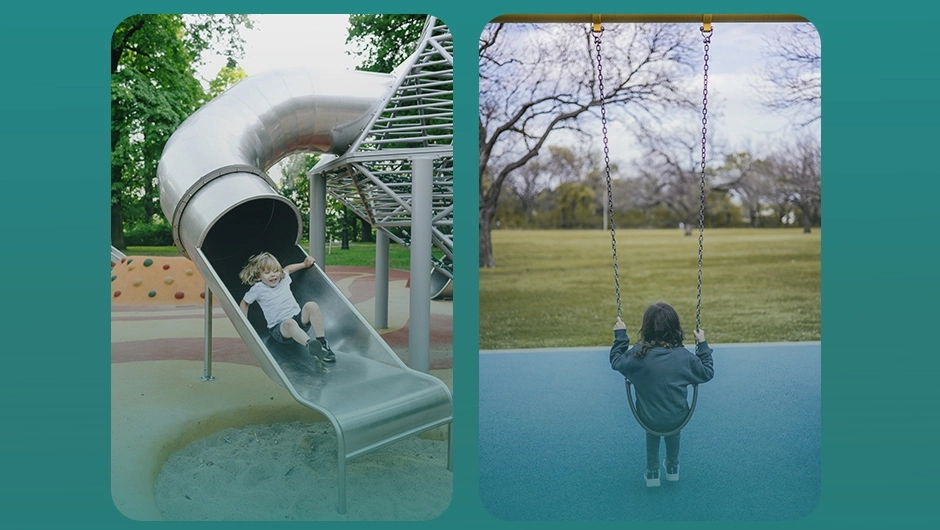
These more thorough assessments, which are usually conducted on a monthly or quarterly basis, are sometimes referred to as operational inspections. They evaluate the playground's surfacing, equipment, and other elements for structural soundness. Trained professionals who are able to spot wear and tear that isn't immediately apparent typically perform thorough inspections.
These are routine, frequently visual inspections meant to spot clear risks that might result from normal use or environmental conditions. Daily or weekly routine inspections can be carried out, depending on how often the playground is used and where it is located. They concentrate on identifying problems such as surface imperfections, litter, waste, and small-scale vandalism.
These follow important occurrences like harsh weather or accidents. They want to guarantee the playground's continued safety and that any damage has been suitably repaired.
It should be necessary to make modifications to the inspection frequency depending on various factors like the location, age, and exposure to weather conditions of the playground. For example, equipment located in areas under frequent extreme weather conditions may require increased frequencies of checks.
Weekly or monthly for routine issues, and annually for a full safety audit by a certified inspector.
Loose hardware, worn-out surfacing, sharp edges, and broken components.
Not necessarily, but using tools like ParkZapp makes inspections faster, more accurate, and compliant.
The inspection procedure can be streamlined by using digital technologies, guaranteeing comprehensive and reliable assessments. It is simpler to keep thorough records and monitor maintenance work using platforms like ParkZapp, which include customizable checklists, real-time reporting, and photo documentation. These tools improve productivity and aid in quickly resolving problems that are found.
In conclusion To keep playgrounds safe and entertaining, routine and methodical inspections are essential. You can prevent possible risks and guarantee adherence to safety regulations by being aware of the various inspection types and adjusting their frequency to your playground’s unique requirements. In addition to protecting kids, a systematic inspection schedule increases the playground equipment’s lifespan.
ParkZapp is your single source digital inspection software, relied on by parks, schools, and municipalities nationwide across the USA.
Keep children safe. Stay compliant. Simplify inspections.

17 August 2022
ParkZapp is a user friendly and customizable Park inspection application integrated with CPSC,CSA & ASTM standards.