Parks Are for Everyone—But Only If They’re Safe
We all adore our neighborhood or home park for strolls, exercise, or simply soaking up the sun. But have you ever considered what it takes to ensure they’re safe, clean, and welcoming? The trick is routine park inspections—particularly for larger public spaces, parking structures, amusement parks, or national parks such as New York City’s Central Park.
A park inspection is a structured assessment of a private or public green area such as playgrounds, trails, sports fields, and parking lots. It includes the inspection of tripping hazards, damaged apparatus, pavement degradation, and upkeep issues. It is done by trained officials on checklists with the assistance of mobile inspection apps such as ParkZapp.
Park inspections head off problems before they can do harm—such as sharp points on play structures, cracks and potholes in parking lots, or broken walking paths. It prevents injury, particularly to children and older adults.
Clean restrooms, safe paths, manicured lawns, and functional lights enhance the enjoyment of your home park or recreation site. This brings visitors back, creating a healthier, more active community.
Benches, fountains, dumpsters, and parking lot signs aren't inexpensive. Routine maintenance keeps these assets in working order, avoiding expensive repairs and prolonging their useful life.
Scheduled inspections of extensive spaces such as national parks identify irrigation problems, trash issues, or sick trees—allowing swift response and environmentally friendly resolution.
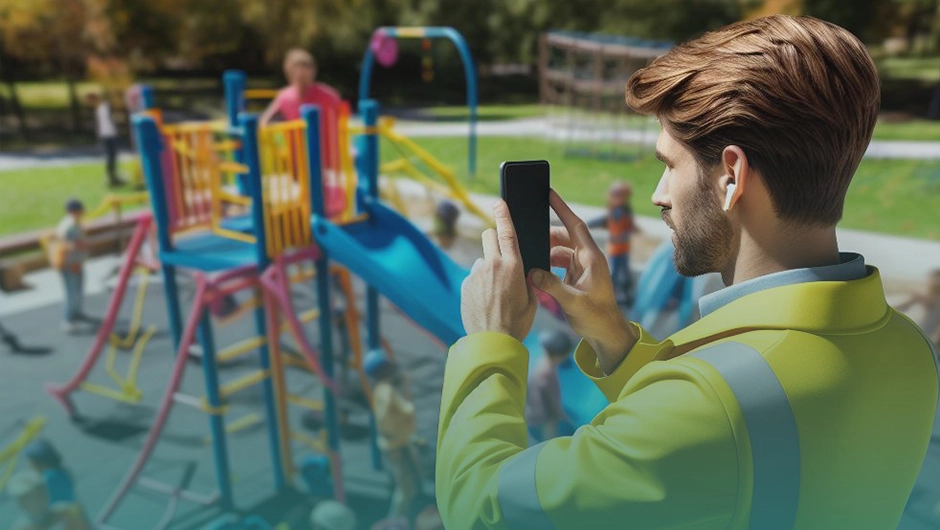
Parks foster emotional well-being and social connection. Keeping them clean, safe, and accessible reinforces community ties and physical and emotional health.
Scheduled inspections of extensive spaces such as national parks identify irrigation problems, trash issues, or sick trees—allowing swift response and environmentally friendly resolution.
A comprehensive park inspection includes a range of checks. Here’s what’s usually reviewed:
Playground Equipment: Look for rust, sharp edges, or broken components.
Parking Lot Inspection: Evaluate surface cracks, lighting, signage, and ADA compliance in parking structures and lots.
Restroom Cleanliness: Ensure soap, toilet paper, and water access are in good order.
Trails & Sidewalks: Check for tripping hazards, overgrowth, and erosion.
Trash & Recycling Bins: Are they in working condition and regularly emptied?
Landscaping: Assess tree health, lawn mowing, irrigation, and flowerbed upkeep.
Fences & Barriers: Check for loose or broken parts near water features or playgrounds.
Amusement Park Areas (if applicable): Inspect rides, queue areas, and sanitation measures.
The frequency can vary based on usage, weather, and park size, but generally weekly, monthly, and annual inspections are recommended. Learn more in our article on How Often Should Playground Equipment Be Inspected?
Trained facility managers, inspectors, or certified third-party services conduct the inspections using standardized checklists and digital tools.
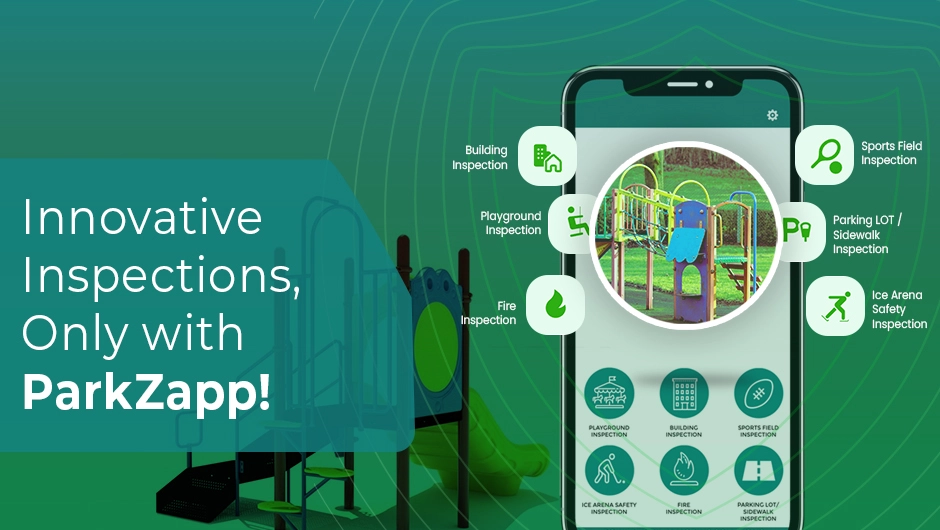
Yes! ParkZapp is an easy-to-use, standards-compliant app for playground and park inspections.
Park inspection is not glamorous, but it’s the foundation of successful parks. The next time you’re strolling or watching your children play, think about the behind-the-scenes work keeping your green oasis safe.
Want to get involved?
Want a reliable way to manage your park or playground inspections? Discover the power of ParkZapp’s Park Inspection App, designed for ease, efficiency, and full compliance with CPSC, ASTM, and CSA standards.
Related Resources:
3 November 2022

10 August 2022
ParkZapp is a user friendly and customizable Park inspection application integrated with CPSC,CSA & ASTM standards.