Providing commercial buildings with fire safety is not merely a requirement by law but also an essential step to safeguard lives and property. Periodic fire safety inspections facilitate the determination of possible hazards, compliance with fire codes, and the upkeep of fire protection systems’ functionality.
Avoiding Fire Incidents: Regular inspections can identify fire hazards like frayed wiring, obstructed exits, or unauthorized storage of combustible materials so corrective measures can be taken before they result in crises.
Maintaining Compliance: Compliance with local fire codes and regulations is obligatory. Routine inspections ensure that fire alarms, sprinkler systems, and fire extinguishers comply with the regulations, preventing legal consequences.
Protecting Occupants and Assets: Ensuring the functionality of fire safety systems protects occupants of a building and limits possible damage to property in case of a fire.
Your commercial property will be thoroughly inspected by a certified fire inspector, who will usually do the following:
Verifying that all documentation is up to date and correct by looking at maintenance logs, prior inspection reports, and fire safety plans.
Inspecting the premises for visible dangers, making sure that the fire exits are clear, and confirming that the fire doors open and close properly.
Verifying the functionality of fire alarms, sprinkler systems, emergency lights, and fire extinguishers to ensure they are operational.
Verifying correct storage of combustible materials and ensuring the premises are clear of unnecessary fire hazards.

Verifying the functionality of fire alarms, sprinkler systems, emergency lights, and fire extinguishers to ensure they are operational.
Verifying correct storage of combustible materials and ensuring the premises are clear of unnecessary fire hazards.
Proactively resolving problems might be facilitated by being aware of frequent violations.
Emergency exits must always be open and operational.
Fire extinguishers should be kept within their expiration dates and serviced on a regular basis.
It is imperative to store combustible materials securely and away from sources of ignition.
Verify that wiring is up to code and that electrical circuits are not overburdened.
Any one of these can pose serious risks to life and property.
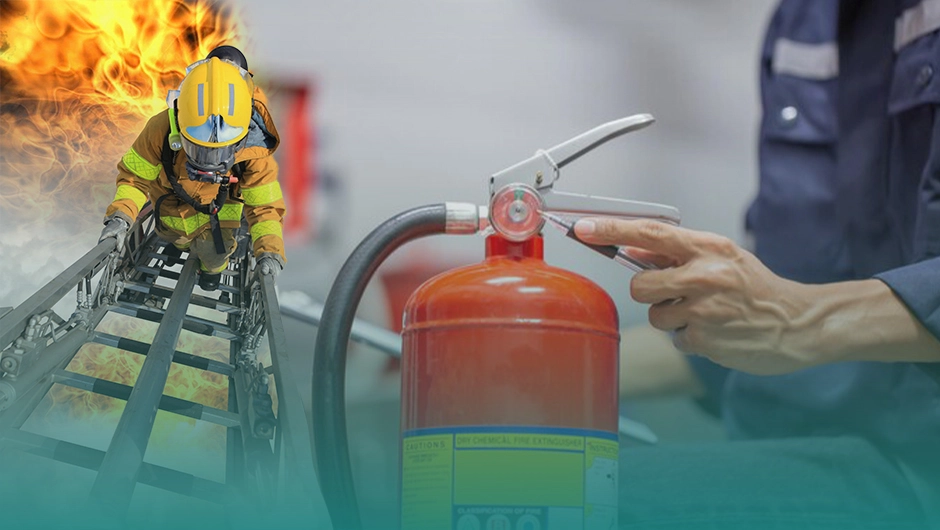
Examine your property frequently for possible fire hazards, and take quick action to address them.
Maintain thorough records of all training sessions, equipment maintenance, and prior inspections for fire safety.
Make sure employees understand fire safety practices, such as how to use fire extinguishers and evacuate.
The inspection procedure can be streamlined and compliance improved by using specialized software:
Even with regular inspections, fires can still happen. That’s why your commercial building needs an up-to-date fire safety plan that staff and visitors can easily understand.
Here’s what it should include:
Every room should have at least two exit routes in case one becomes inaccessible.
Choose a safe location where all occupants can meet after evacuating the building.
Post fire department numbers, security contacts, and poison control by phones or at security desks.
Place extinguishers in high-risk areas like kitchens, labs, or near electrical panels—and check expiration dates regularly.
To detect fire hazards, ensure compliance with fire codes, and reduce the risk of fire-related incidents in commercial buildings.
Qualified professionals such as municipal fire inspectors, fire marshals, or third-party fire protection engineers.
Inspection frequency varies by state and building type, but most require annual or semi-annual checks. Always check with your local fire authority.
In commercial buildings, routine fire safety assessments are essential for both asset protection and human health. Businesses may guarantee compliance, improve safety, and create a secure workplace for everyone by being aware of the inspection procedure, resolving typical infractions, and using contemporary technologies like fire safety inspection software.
👉 Book your free ParkZapp demo now to start making your building safer today.

13 March 2024

29 February 2024
ParkZapp is a user friendly and customizable Park inspection application integrated with CPSC,CSA & ASTM standards.