AI-driven park inspection and asset management refers to the use of artificial intelligence within digital platforms to automate inspections, analyze asset conditions, predict failures, and optimize maintenance decisions across parks and public spaces.
Instead of relying solely on paper checklists or static digital forms, AI systems learn from inspection data, photos, past incidents, and usage patterns. The result is a smarter, more proactive approach to maintaining playgrounds, trails, sports facilities, restrooms, lighting, and other park assets.
In short, AI shifts park inspections from reactive problem-finding to predictive risk prevention.
Public parks and playgrounds require regular inspections to meet safety, compliance, and liability standards.
Traditional manual inspections are time-consuming, inconsistent, and difficult to track over time.
AI-powered inspection and asset management tools are making park operations faster, smarter, and more proactive.
ParkZapp uses AI-enabled workflows to help municipalities, parks & recreation departments, and safety professionals improve compliance, reduce risk, and extend asset life.

Public parks face growing pressure to do more with less. Aging infrastructure, increased usage, tighter budgets, and higher public safety expectations make traditional inspection methods inadequate.
Manual inspections often lead to:
AI-enabled inspection platforms address these gaps by standardizing inspections, flagging risks automatically, and surfacing actionable insights before small issues become costly incidents.
For parks, this is not just about efficiency, it is about preventing injuries, avoiding liability, and maintaining public trust.
Responsibility for park safety typically lies with:
While inspectors perform the assessments, accountability ultimately rests with leadership to ensure inspections are completed, documented, and acted upon consistently.
AI-powered systems help close the gap between inspection findings and corrective action, ensuring nothing falls through the cracks.
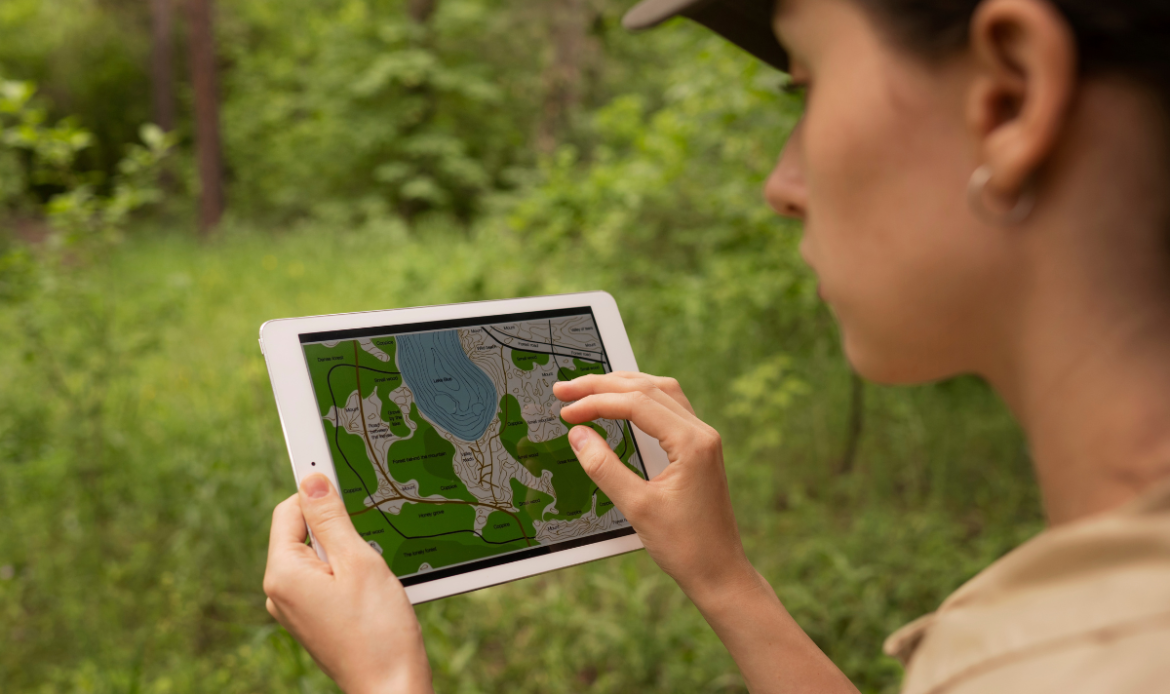
An AI-driven park inspection covers the same critical areas as traditional inspections, but with added intelligence and automation.
Typical inspection elements include:
With AI-enabled tools, these elements can be:
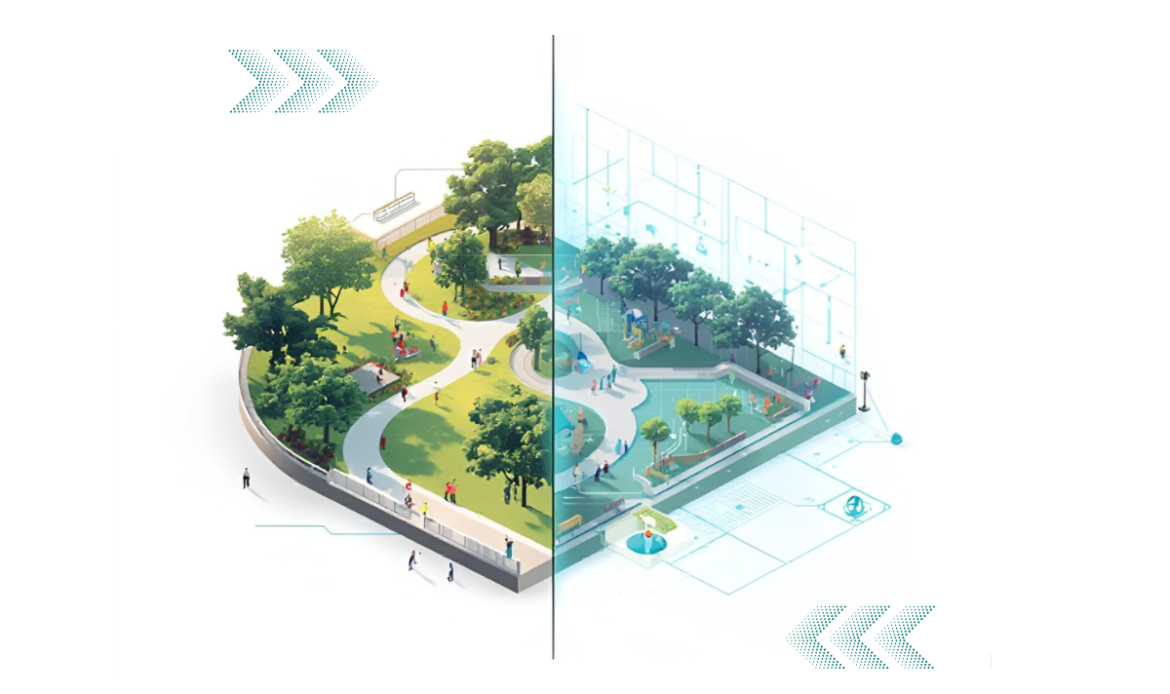
Inspection frequency depends on asset type, usage level, and local regulations. In general:
AI helps parks move beyond fixed schedules by enabling condition-based inspections, where inspection frequency adapts
based on real-world data and asset performance.
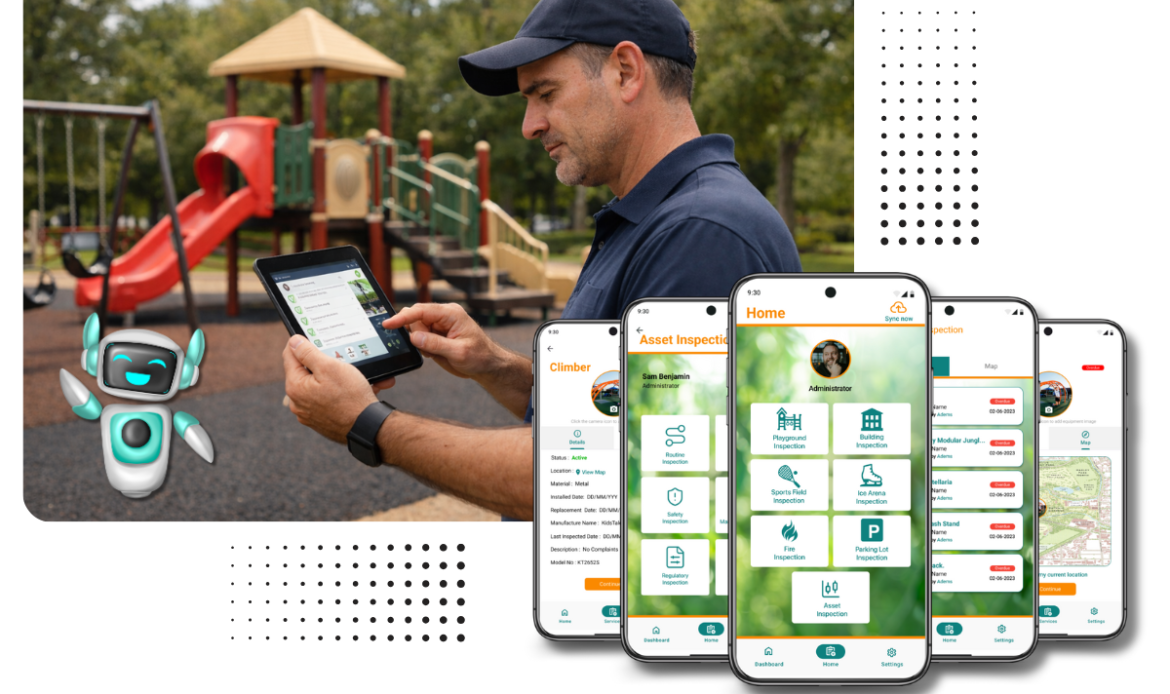
An AI-powered park inspection app is a mobile platform that combines digital checklists, data capture, and artificial intelligence to guide inspectors in the field.
Using a smartphone or tablet, inspectors can:
There is no paperwork, no manual data entry, and no delay between identifying a problem & initiating action.
Implementing AI in park inspections delivers measurable benefits:
✅ Faster inspections with guided workflows
✅ Reduced human error through standardized checklists
✅ Predictive maintenance instead of reactive repairs
✅ Real-time visibility into asset conditions
✅ Improved compliance documentation for audits
✅ Longer asset life and lower maintenance costs
Municipalities and park agencies using AI-enabled platforms often see significant reductions in inspection time
& unplanned maintenance events.
Yes. AI-enabled inspection platforms allow checklists to be customized based on:
More importantly, AI can adapt checklists over time, highlighting frequently missed issues or adjusting focus areas based on past incidents.
ParkZapp’s approach recognizes that no two parks are the same, and inspection tools should reflect real-world conditions.
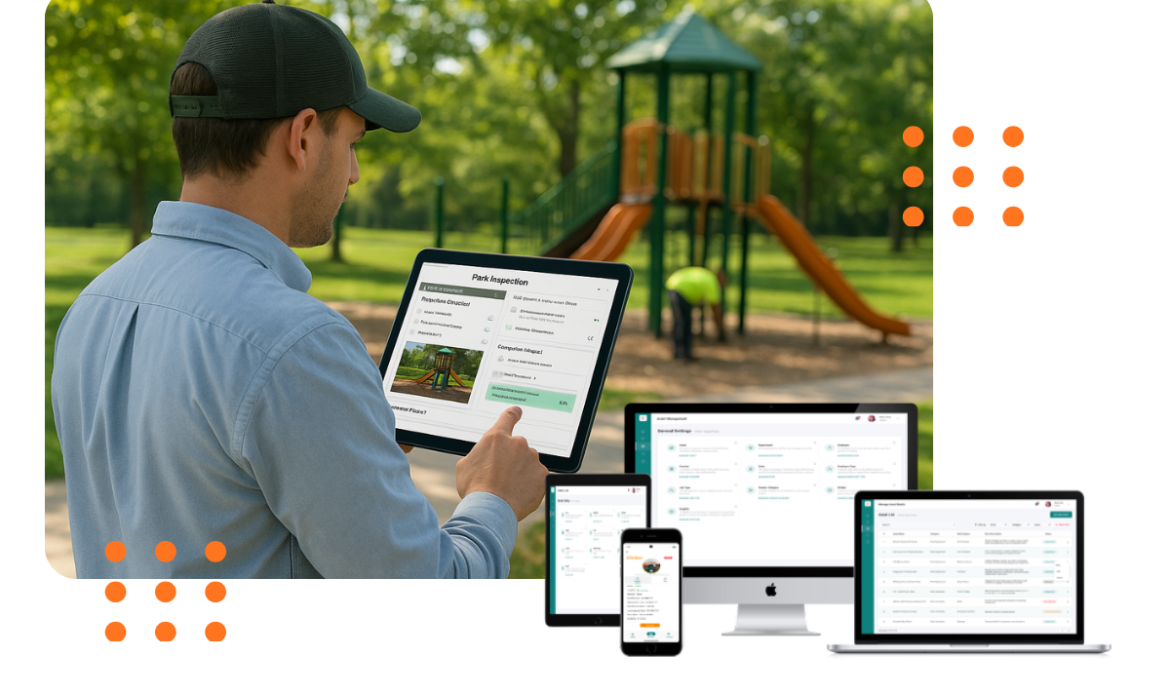
Compliance is not just about completing inspections, it is about proving they were done correctly and on time.
AI-powered inspection systems strengthen compliance by:
When audits or incident investigations occur, parks can demonstrate due diligence with clear, defensible digital evidence.
How does AI improve park safety?
AI helps identify patterns, predict failures, and prioritize high-risk issues before accidents occur.
Do inspectors need technical training to use AI tools?
No. AI works behind the scenes. Inspectors use simple, guided mobile workflows.
Can AI work offline in parks with poor connectivity?
Yes. Leading platforms, including ParkZapp, support offline inspections with automatic sync once connected.
Is AI replacing human inspectors?
No. AI augments human expertise by reducing manual effort and improving decision-making.
ParkZapp is built specifically for real-world park and playground inspections. Its AI-enabled platform helps teams:
Because ParkZapp integrates inspections, asset management, and reporting into one system, it provides a 360-degree view of park safety and operations, from playgrounds and parking lots to trails and public amenities.
Park inspections are no longer just about checking boxes. As parks become more complex and public expectations rise, inspection and asset management practices must evolve.
AI-powered inspection platforms enable parks to move from reactive maintenance to proactive safety management, reducing risk, improving efficiency, and protecting communities.
For municipalities and park agencies committed to safer, smarter public spaces, adopting AI is not a future goal; it is a present-day necessity.
ParkZapp is a user friendly and customizable Park inspection application integrated with CPSC,CSA & ASTM standards.