Playground safety compliance is now more than just checking boxes; it’s about saving lives, avoiding expensive liabilities, and keeping up with quickly changing international standards. These 10 trends illustrate the direction of playground safety audits and how park, school, and facility managers in the United States can stay up to date. These trends range from mobile-first tools that operate on-site to certified playground safety software and digital safety inspections.
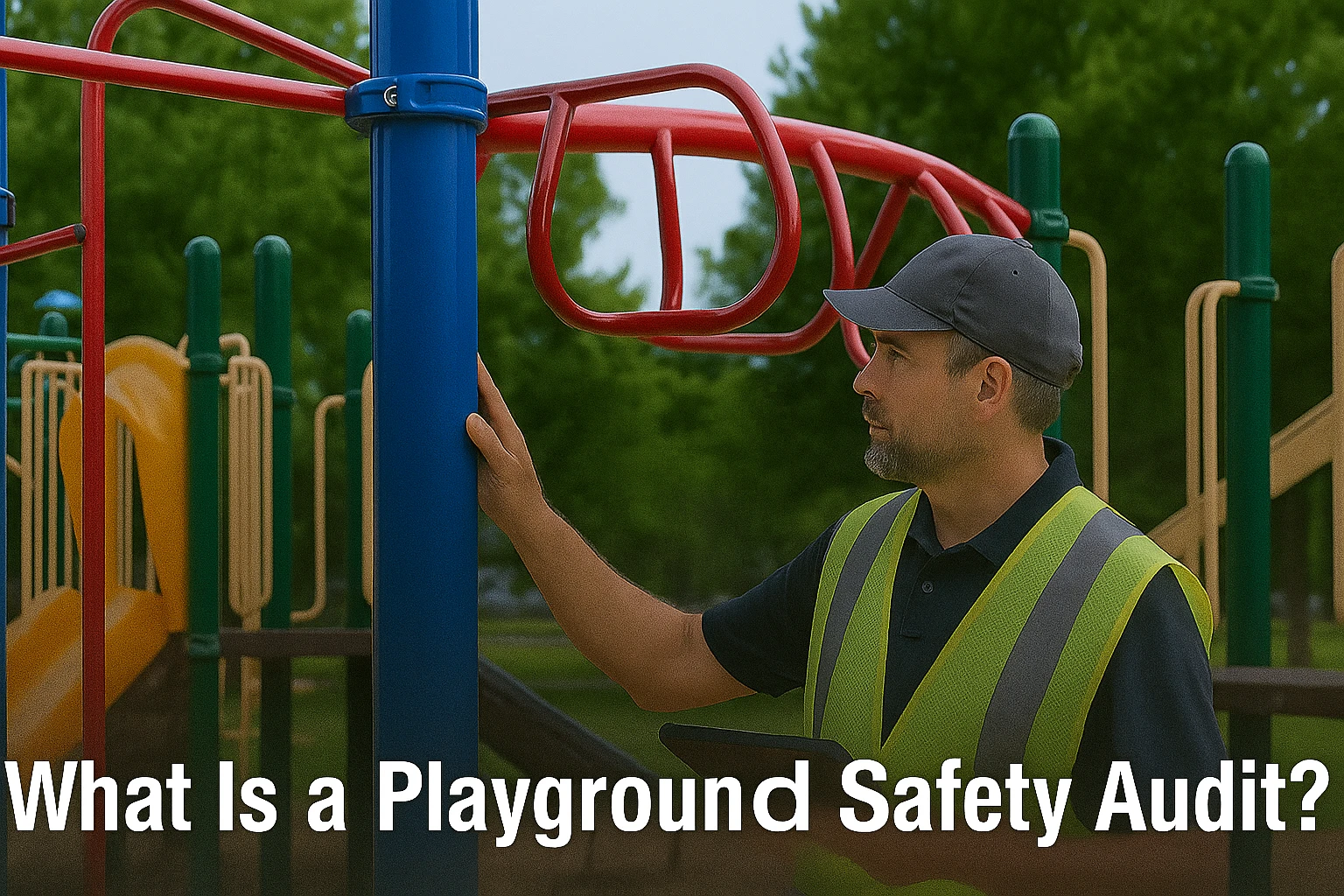
A playground safety audit is a methodical examination procedure that guarantees playgrounds adhere to safety regulations. This is a moral and legal obligation, not just a compliance exercise. A properly conducted audit lowers the risk of injuries, finds hazards before accidents occur, and helps private operators and municipalities stay out of legal hot water.
(Related reading: Playground Safety Audit with Digital Inspections)
Paper checklists are rapidly becoming obsolete. Digital safety inspections increase precision, save historical data, and facilitate instantaneous report sharing. Online and offline parks and playground inspection software is taking the place of binders in many U.S. agencies.
(Explore: Digital Inspections for Parks)
From city park departments to school districts, playground inspection software is now central to compliance workflows. These platforms combine audit templates, photographic evidence logging, and scheduling reminders—making inspections faster and less error-prone.
Beyond just being convenient, certified tools adhere to CPSC and ASTM safety regulations. Using certified playground safety software guarantees that your inspection procedure adheres to the same guidelines that top US municipal authorities use.
Even in places without Wi-Fi, inspectors can record hazards in real time by using a mobile app for playground inspection in the USA. Once back online, checklists, notes, and photos instantly sync to the cloud.
New artificial intelligence (AI) tools can automatically identify surfacing damage, equipment wear, and non-compliance hazards from uploaded photos, expediting the process for time-pressed inspectors.
No more days spent waiting for reports. Cloud-based systems minimize the amount of time that hazards go unchecked by providing maintenance teams with immediate findings.
These days, asset management isn’t limited to buildings and roads. Data from playground safety audits, maintenance plans, budgets, and equipment life-cycle tracking are all integrated into contemporary systems.
(See: Asset Management for Parks)
Playground areas are now included in construction audits and building inspections in some municipalities to make sure the surrounding buildings, sidewalks, and parking lots adhere to safety and accessibility regulations.
Agencies can detect reoccurring hazards and make proactive design changes, such as replacing particular equipment models or improving surfacing, by using digital logs that span years.
(Learn more: Playground Surfacing Safety Audit)
By eliminating silos and accelerating resolution, cloud-based systems enable real-time updates sharing between local governments, contractors, and inspectors.
Playground safety audits protect both lives and budgets.
The global trend is toward digital, mobile-first inspection tools.
AI and data analytics are becoming major drivers of safety decisions.
Certified software ensures inspections meet recognized safety standards.
Integrating inspections with asset management improves operational efficiency.

In the USA, most public agencies recommend quarterly inspections, with additional checks after severe weather or high-usage events.
Certified audits follow ASTM and CPSC guidelines, ensuring compliance with recognized safety standards.
Yes. Most modern solutions store data locally and sync once back online.
Costs vary, but digital tools often save money by preventing accidents and streamlining compliance reporting.
Costs vary, but digital tools often save money by preventing accidents and streamlining compliance reporting.
ParkZapp is a user friendly and customizable Park inspection application integrated with CPSC,CSA & ASTM standards.