Seasonal maintenance is no longer just routine work.
It is risk prevention.
Weather shifts.
Usage spikes.
Materials expand, contract, erode, or crack.
Minor issues turn into hazards faster than most teams expect.
A structured seasonal maintenance checklist helps park departments, school districts, and facility managers stay ahead of risk while protecting budgets and public trust.
This guide outlines what to inspect, why it matters, and how digital tools are modernizing seasonal workflows across the United States.

Seasonal maintenance is a proactive inspection process designed to prepare outdoor public spaces for weather and usage changes.
It is not reactive repair.
It is early detection.
Effective seasonal maintenance:
When inspections are structured, risks surface earlier.
Start with a full-site grounds review.
Inspect:
Leaves, frost heave, and heavy rain can quickly create trip hazards.
Digital inspections allow teams to log issues with photos and location data, accelerating repair cycles.

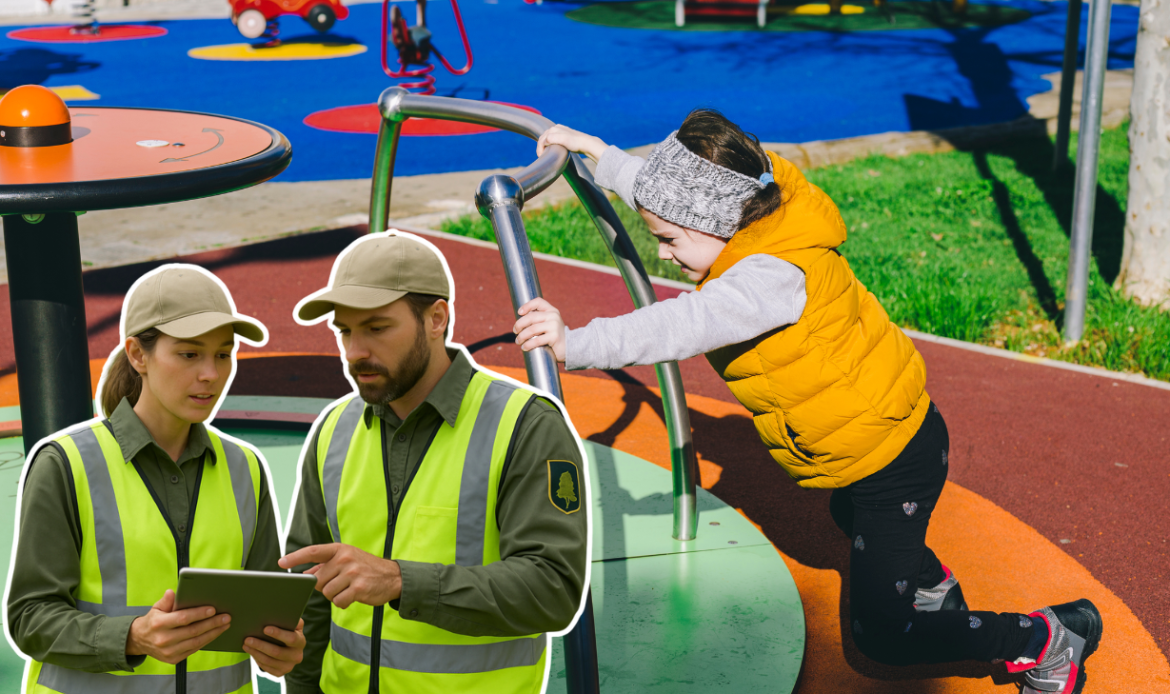
Playgrounds face high wear during peak seasons.
Inspect for:
Seasonal temperature swings increase material stress.
Consistent documentation supports ASTM and CPSC alignment and strengthens defensibility.

Fields require season-specific attention to remain safe and playable.
Review:
High-use periods demand more frequent checks.
Preventive attention reduces injuries and unplanned closures.
Seasonal inspections must align with safety and accessibility standards.
Confirm:
Standardized digital checklists reduce inconsistency across sites and staff.

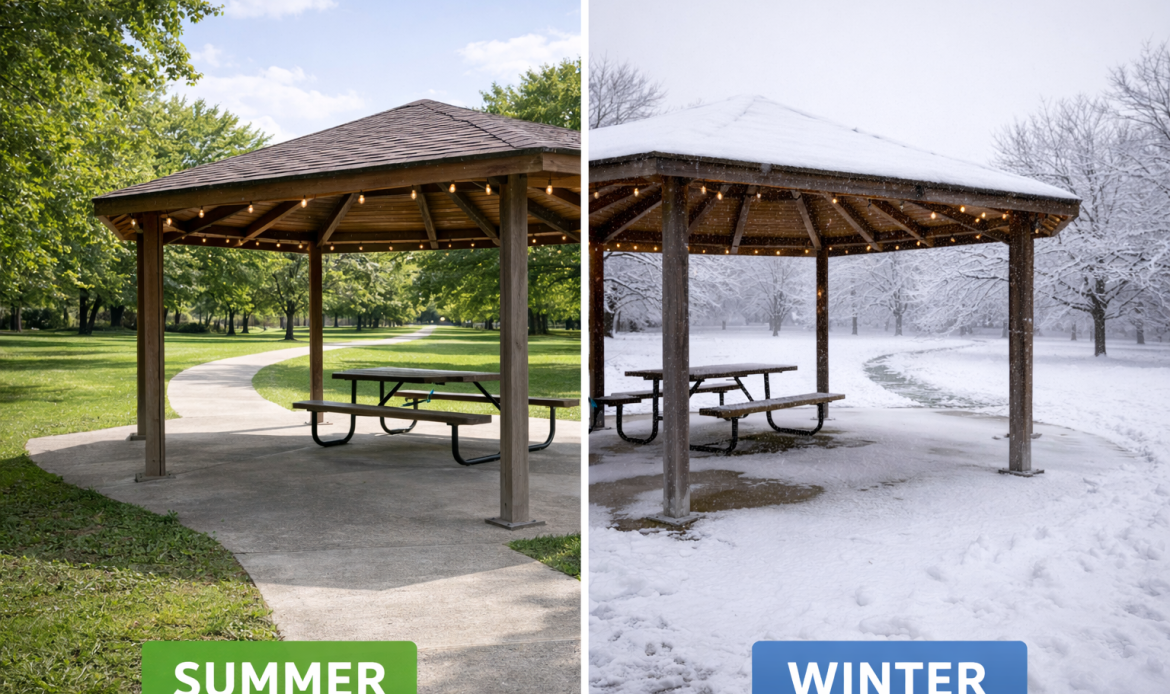
Each season presents distinct risks.
Spring
• Flood damage and erosion review
• Structural stress from winter exposure
Summer
• Shade structure and hydration checks
• Increased inspection frequency due to peak usage
Fall
• Leaf and debris removal
• Irrigation system shutdown preparation
Winter
• Ice hazard inspections
• Snow load and structural stress review
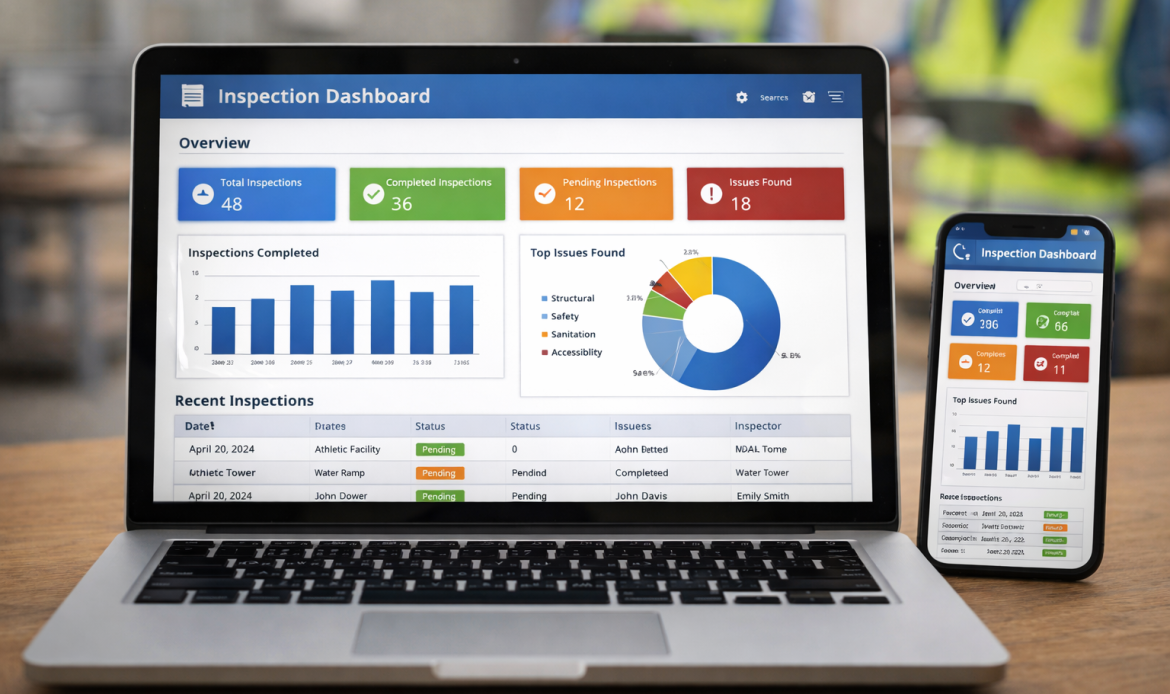
Mobile inspection tools ensure verification in real time, even offline.
Inspection data only creates value if it is actionable.
Best practices include:
Cloud-based systems allow leadership and field teams to collaborate without delay.
Most agencies conduct seasonal inspections quarterly, with additional checks after severe weather or high-usage events.
Yes. Playground equipment and surfacing have unique safety requirements and should be inspected independently.
Yes. Modern inspection apps work online and offline, syncing data once connectivity is restored.
Absolutely. Early detection prevents expensive emergency repairs and asset replacement.
Yes. Time-stamped, documented workflows make audits and claims far easier to manage.
Temporary closures may be necessary to address hazards and ensure athlete safety.
ParkZapp is a user friendly and customizable Park inspection application integrated with CPSC,CSA & ASTM standards.