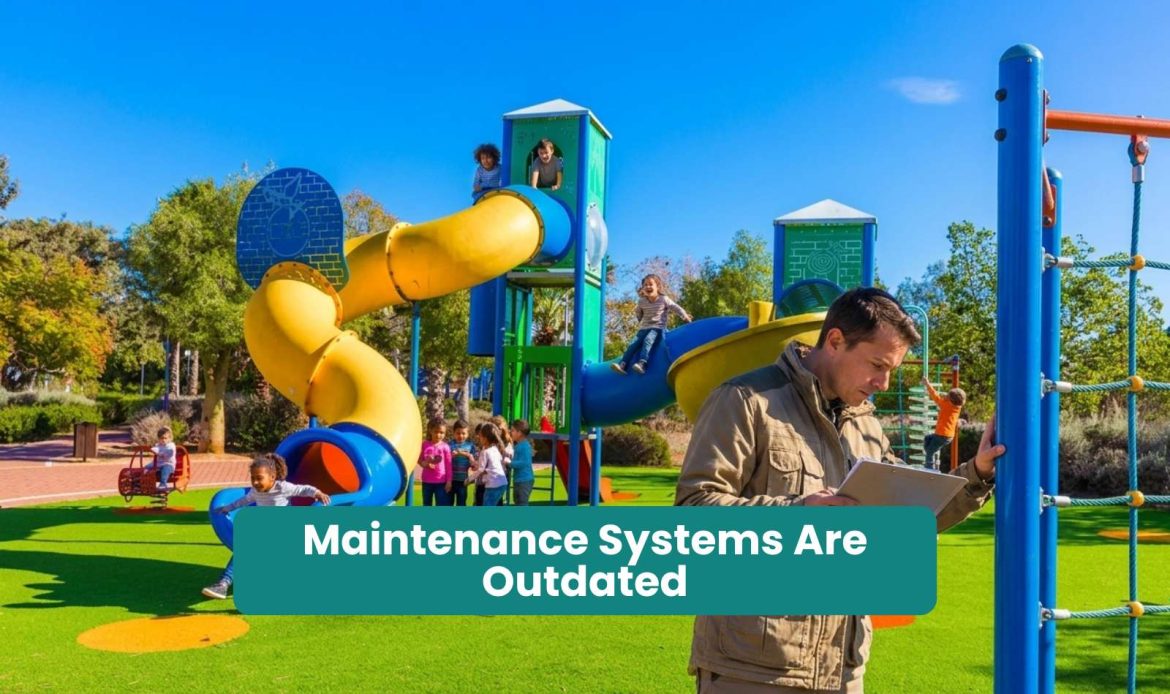
Many departments still rely on:
- Paper-based inspections
- Disconnected spreadsheets
- Manual work order tracking
- Verbal or email-based communication
These systems were manageable at smaller scales.
But in 2026, they create a serious operational strain.
Because maintenance today is not just about fixing issues.
It’s about managing assets, tracking work, ensuring compliance, and maintaining visibility across multiple sites.
Without the right facility management software, this becomes chaotic.
Deeper Insight: How Poor Workflows Impact Retention
Let’s break this down.
When maintenance workflows are inefficient:
1. Work Feels Unstructured
Technicians don’t know what’s prioritized.
Tasks are unclear or duplicated.
Result: Confusion and frustration.
2. Effort Goes Unnoticed
Work gets done, but isn’t properly recorded.
Result: Lack of recognition and motivation.
3. Follow-Ups Are Constantly Chased
Supervisors spend time asking for updates instead of leading.
Result: Micromanagement culture.
4. Rework Increases
Issues aren’t tracked to closure, leading to repeat problems.
Result: Wasted effort and burnout.
5. Accountability Becomes Stressful
When systems don’t track clearly, individuals feel blamed.
Result: Decreased job satisfaction.
Real-World Scenario
Imagine a maintenance supervisor managing 12 parks.
- Inspections are done weekly
- Issues are noted in notebooks
- Work orders are sent via email
- Updates come through calls or texts
Now imagine an incident occurs.
The supervisor is asked:
- When was this last inspected?
- Was the issue reported?
- What action was taken?
Instead of answers, they have to:
- Search through notes
- Check emails
- Call team members
 This is not just inefficient. It’s stressful.
And over time, this stress contributes directly to turnover.
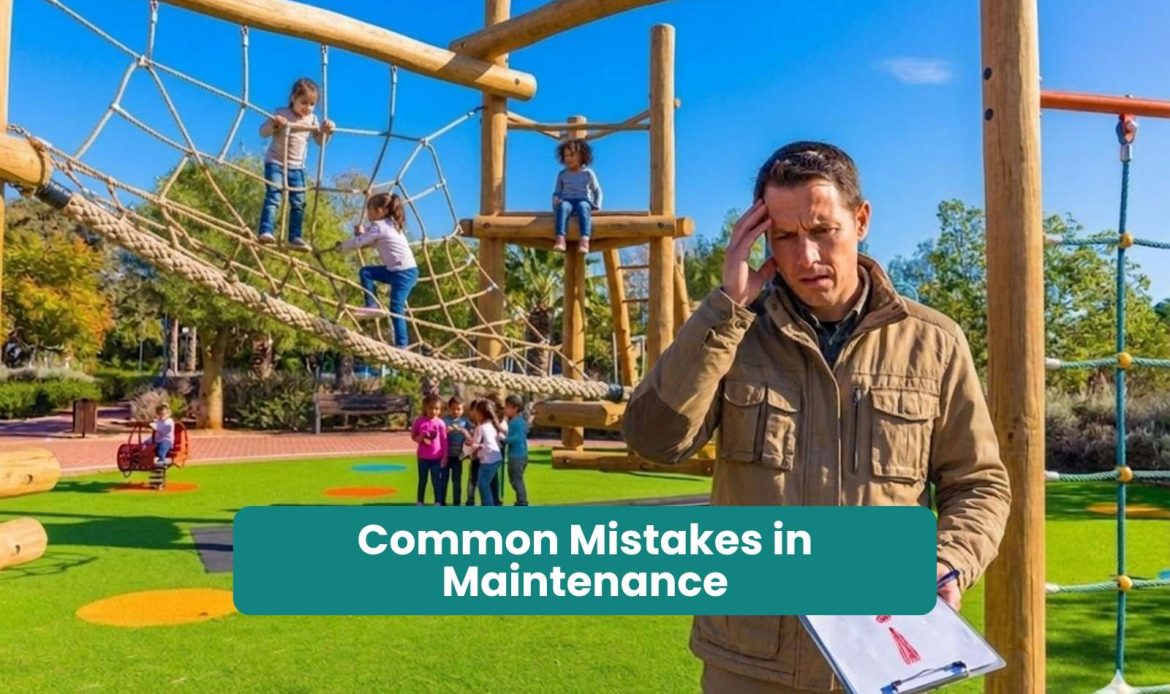
Here’s where most departments go wrong:
- Relying on disconnected tools instead of integrated systems
- Treating inspections, assets, and work orders separately
- Delaying digital adoption due to “habit comfort”
- Overloading supervisors with manual tracking responsibilities
- Ignoring the link between workflow and employee satisfaction
These are not just operational issues.
They are retention risks.
Why This Matters More Than Ever
Retention is not just an HR metric.
It directly impacts:
- Service quality
- Public safety
- Operational continuity
- Institutional knowledge
When experienced staff leave:
- Training costs increase
- Mistakes increase
- Efficiency drops
And the cycle continues.
From Manual Workflows to Smart Systems
Forward-thinking departments are moving toward:
- Centralized facility management software
- Real-time visibility across assets and tasks
- Structured preventive maintenance planning
- Automated maintenance work order software workflows
- Integrated asset management systems
These are not “nice-to-have” tools anymore.
They are essential for sustainable operations.
What an Effective System Looks Like
A strong system should:
- Capture inspections digitally in real time
- Automatically convert issues into work orders
- Track tasks until closure
- Provide visibility across all parks and sites
- Maintain audit-ready records
This is where modern park maintenance software plays a critical role.
Where ParkZapp Fits In
ParkZapp is designed specifically for parks and recreation operations.
Unlike generic tools, it connects:
- Inspections
- Assets
- Work orders
- Follow-ups
Into one unified workflow.
So that:
- Field crews know exactly what to do
- Supervisors don’t chase updates
- Leadership has real-time visibility
And most importantly, teams feel supported—not burdened.
What Changes
Before (Manual Systems):
- Scattered information
- Delayed updates
- Reactive maintenance
- High stress levels
- Frequent follow-ups
After (With Facility Management Software):
- Centralized visibility
- Real-time updates
- Proactive maintenance
- Clear accountability
- Reduced operational friction
This is where retention improves.