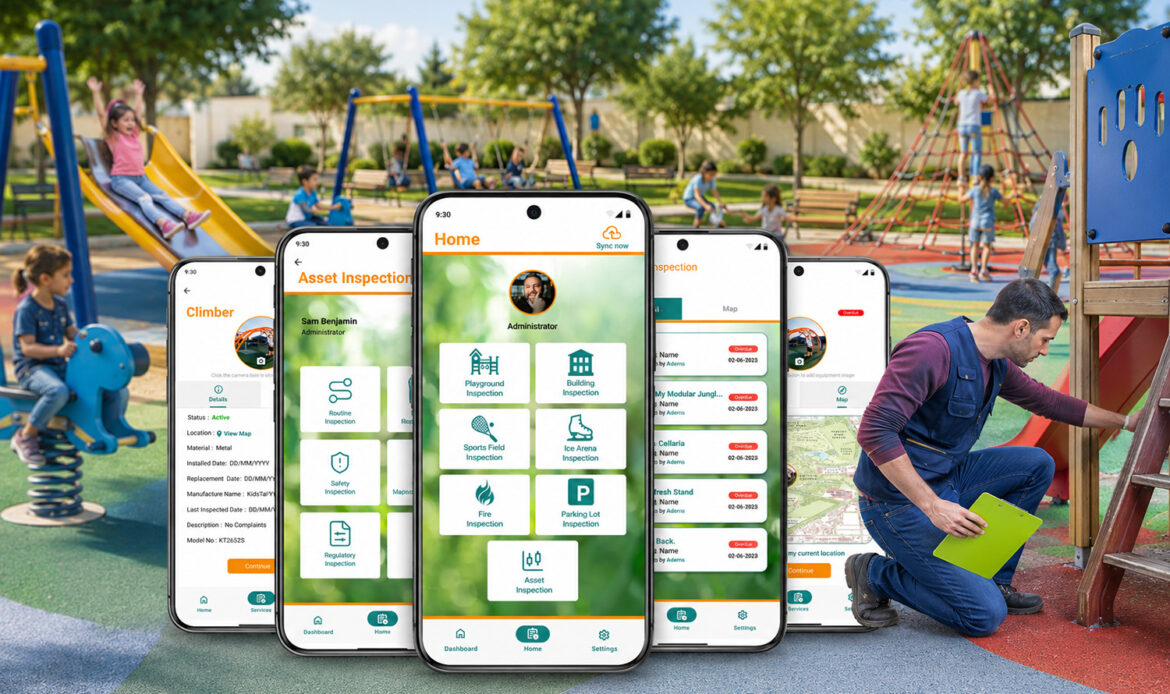
The Playground Didn't Close Overnight
A playground rarely closes because equipment suddenly fails.
More often, the warning signs were already there.
A loose swing chain.
A cracked pathway.
A damaged bench.
A leaking irrigation valve.
Each issue begins as a routine maintenance task. But when inspections, maintenance requests, and work orders are disconnected, small problems remain unresolved until they affect public safety, disrupt operations, or force an unexpected closure.
That’s why preventive maintenance is no longer just a maintenance strategy – it’s an operational strategy.
Leading parks and recreation departments are shifting from reactive repairs to connected maintenance workflows that identify issues earlier, assign ownership faster, and keep public spaces safe and accessible.
The goal isn’t simply to repair assets.
It’s to prevent avoidable downtime before the community ever notices a problem.
Why Park Downtime Happens
Today’s parks departments manage far more than playgrounds.
They oversee sports fields, walking trails, lighting systems, irrigation networks, restrooms, shelters, parking areas, recreation centers, picnic facilities, and hundreds of public assets spread across multiple locations.
Every asset has its own inspection schedule, maintenance history, warranty information, and safety requirements.
As facilities expand, so does operational complexity.
Without structured planning, maintenance gradually shifts from proactive care to constant firefighting.
Unexpected closures are rarely caused by one major failure.
They’re usually the result of several small issues that remained invisible for too long.
The Real Problem Isn't Maintenance
Many agencies assume downtime happens because maintenance teams don’t have enough time.
In reality, most teams work incredibly hard.
The bigger challenge is that operational information often lives in different places.
An inspector identifies an issue.
A supervisor receives the report.
Maintenance schedules the repair.
Another department orders replacement parts.
Everyone is doing their job.
But inspection reports, emails, spreadsheets, paper forms, and phone calls rarely create one connected picture.
The issue isn’t effort.
It’s operational visibility.
When visibility disappears, follow-up slows.
When follow-up slows, maintenance becomes reactive.
And that’s when downtime begins.
What Preventive Maintenance Really Means
Preventive maintenance is more than following a calendar.
It’s a structured approach that identifies potential issues before they become operational problems.
Instead of waiting for failures, parks departments schedule maintenance based on inspections, asset usage, manufacturer recommendations, and historical performance.
Typical preventive maintenance activities include:
- Playground equipment inspections
- Trail and pathway assessments
- Sports field equipment servicing
- Irrigation system inspections
- Lighting checks
- Shelter and recreation facility inspections
Every completed inspection creates an opportunity to prevent future downtime.
The real value comes from ensuring every finding leads to timely action.
Where Workflows Often Break
Most maintenance delays don’t happen during inspections.
They happen afterward.
Common operational breakdowns include:
- Paper inspection forms waiting to be entered into a system
- Manual reporting between field and office staff
- Delayed maintenance scheduling
- Limited asset history spread across multiple files
- Poor communication between departments
Each delay may seem small on its own.
Together, they create maintenance backlogs, increase operational risk, and reduce confidence in facility conditions.
A Real-World Example
Imagine a city responsible for 40 neighborhood parks.
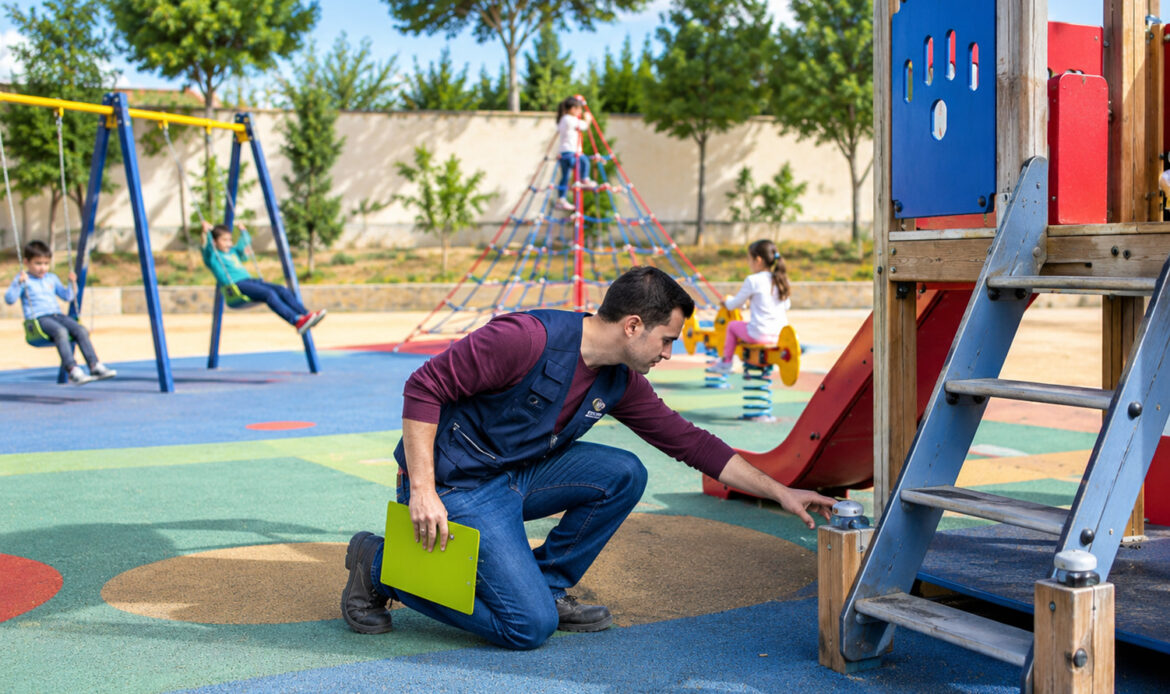
During a routine inspection, an employee notices a loose handrail on a playground.
Using a mobile inspection app, the inspector photographs the issue, records its location, and submits the report immediately.
The system automatically creates a maintenance request.
A work order software workflow assigns the task to the appropriate crew.
The supervisor monitors progress until the repair is completed.
The playground remains open.
Now imagine the same inspection using paper forms.
The report waits until the end of the day.
Someone manually enters the information.
The repair is delayed.
Parents report the issue before maintenance arrives.
The playground closes for emergency repairs.
The difference isn’t having more staff.
It’s having faster visibility.
Technology Makes Preventive Maintenance Smarter
Modern parks and recreation management software brings inspections, maintenance planning, asset management, and reporting into one connected environment.
Instead of switching between spreadsheets, emails, and paper records, teams gain a real-time view of operations.
Departments can:
- Schedule recurring inspections
- Monitor asset conditions
- Track maintenance history
- Generate reports automatically
- Improve communication across departments
Most importantly, information becomes available when decisions need to be made – not days later.
Connecting Inspections with Work Orders
One of the biggest operational improvements comes from integrating inspections with work order software.
When an issue is identified:
- The finding is documented immediately.
- Photos are attached.
- A work order is created automatically.
- Maintenance teams receive notifications.
- Supervisors monitor progress until the issue is closed.
Nothing depends on memory.
Nothing waits in an inbox.
Every issue has ownership.
Improving Safety, Compliance, and Accountability
Public agencies are expected to maintain safe facilities while meeting inspection and documentation requirements.
Using risk and compliance software, departments can maintain digital inspection records, document completed repairs, monitor recurring issues, and generate audit-ready reports whenever required.
Compliance becomes an ongoing operational process instead of a last-minute administrative task.
A Connected Approach to Park Operations
At ParkZapp, we help parks and recreation teams connect inspections, assets, maintenance schedules, public issue reporting, and work orders into one operational workflow.
Instead of managing disconnected systems, departments gain real-time visibility from the moment an issue is identified until it is fully resolved.
The result is more than better maintenance.
It creates better decision-making, clearer accountability, and greater confidence across every park and recreation facility.
Leadership Takeaway
The future of parks maintenance isn’t determined by how many inspections are completed.
It’s determined by how quickly issues move from discovery to resolution.
Departments that shorten that timeline reduce downtime, improve public confidence, extend asset life, and make better use of limited maintenance resources.
Visibility, not effort, is what separates reactive maintenance from operational excellence.
From the Field
High-performing parks departments don’t simply inspect more often.
They connect inspections, maintenance, and accountability into one continuous workflow.
When every issue has a clear owner and every repair has complete visibility, preventive maintenance becomes far more than a maintenance program it becomes a better way to operate public spaces.
Unexpected park closures rarely happen because problems appear overnight.
They happen because small issues aren’t identified, assigned, or resolved quickly enough.
A connected preventive maintenance strategy supported by a mobile inspection app, work order software, and parks and recreation management software helps departments reduce downtime, improve safety, strengthen compliance, and protect valuable public assets.
The goal isn’t simply to repair equipment faster.
It’s to prevent disruptions before the community ever experiences them.
If your parks department still relies on paper inspections, spreadsheets, or disconnected maintenance systems, it may be time to evaluate a more connected approach.
ParkZapp helps parks and recreation teams digitize inspections, manage assets, automate work orders, and improve operational visibility across every facility.
Schedule a personalized demonstration and discover how connected preventive maintenance can help keep your parks safer, more efficient, and always ready for the communities you serve.
Frequently Asked Questions
- What is preventive maintenance in parks?
Preventive maintenance is a planned approach that schedules inspections and maintenance activities before equipment fails, helping reduce downtime, improve safety, and extend asset life.
- How does preventive maintenance reduce park downtime?
By identifying small issues early and ensuring timely repairs, departments avoid unexpected closures, emergency maintenance, and costly asset failures.
- Why is work order software important?
Work order software automatically assigns, tracks, and monitors maintenance activities, ensuring issues move from inspection to resolution without unnecessary delays.
- Can a mobile inspection app improve maintenance operations?
Yes. A mobile inspection app enables inspectors to capture findings, attach photos, submit reports, and trigger maintenance requests directly from the field, improving response times and accuracy.
- Why should parks departments invest in parks and recreation management software?
Modern parks and recreation management software centralizes inspections, asset management, maintenance planning, reporting, and compliance into one connected platform, giving departments the visibility needed to reduce downtime and improve public service.
Latest Blogs
-
 Seasonal Park Readiness: Managing High Traffic Periods and Events
 -
 Can Preventive Maintenance Reduce Park Downtime?
 -
 The Visibility Problem Behind Most Park Maintenance Delays
 -
 How Maintenance Tracking Software Actually Improves Response Time in Public Facilities
 -
 How to Turn Daily Metrics into Executive Decisions