Seasonal Park Readiness: Why High-Traffic Seasons Expose Operational Gaps Before Visitors Arrive
Most park maintenance problems don’t begin during busy seasons.
They begin weeks earlier.
The overflowing trash bin during a community festival.
The damaged bench reported during a tournament.
The irrigation failure discovered before a large event.
The uneven sports field noticed on game day.
These issues rarely appear without warning.
In most cases, the warning signs were already there.
What failed was visibility.
For parks departments managing community parks, recreation facilities, athletic complexes, trails, and public gathering spaces, seasonal demand doesn’t create operational problems.
It exposes existing ones.
And that’s why seasonal park readiness is less about reacting quickly and more about identifying maintenance gaps before visitor traffic increases.
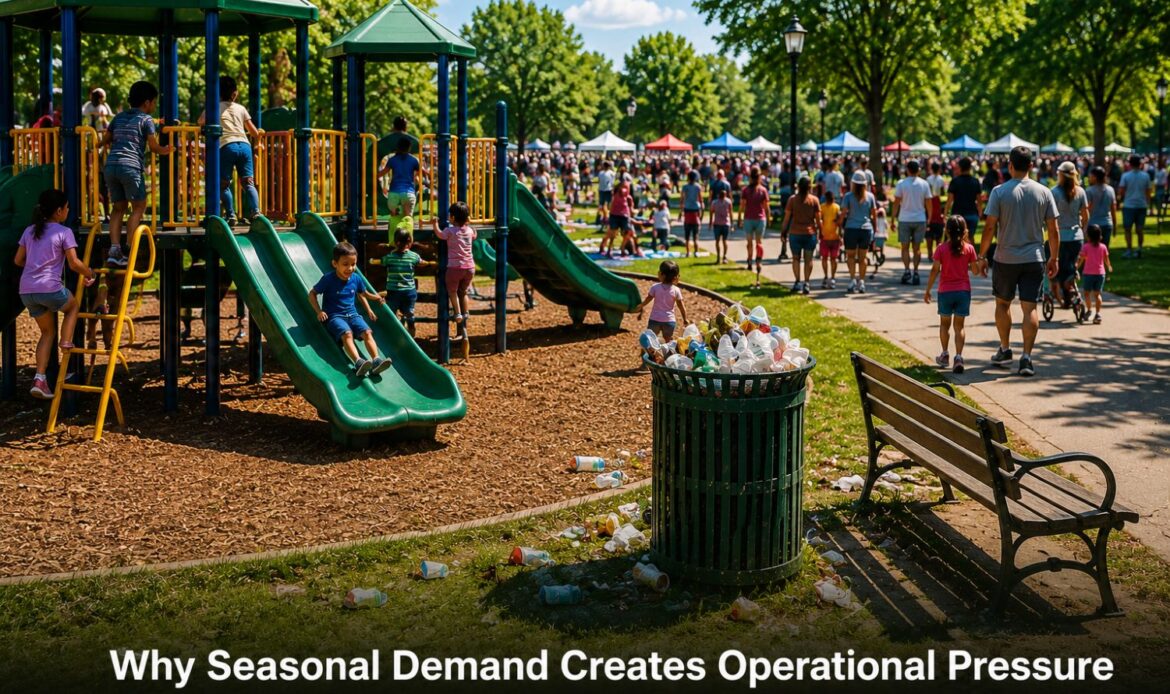
Why Seasonal Demand Creates Operational Pressure
Every park experiences periods of concentrated activity.
Summer programs.
Sports tournaments.
Holiday celebrations.
Community festivals.
Large public events.
Visitor volume can increase dramatically within a short period.
As foot traffic rises, maintenance teams face additional pressure across:
- Park inspections
- Grounds maintenance
- Playground safety
- Sports field conditions
- Restroom servicing
- Waste management
- Facility repairs
- Event preparation
The challenge isn’t simply doing more work.
The challenge is maintaining visibility across a growing number of issues, locations, and maintenance activities.
The Hidden Problem Behind Seasonal Maintenance Delays
Many parks teams already conduct inspections.
They already receive maintenance requests.
They already identify issues before events.
Yet delays still happen.
Why?
Because identifying an issue is only the beginning of the workflow.
Common operational breakdowns include:
1. Inspection Findings Remain Isolated
A playground inspector identifies damaged equipment.
The information is documented.
But the repair request never reaches the correct maintenance team immediately.
2. Maintenance Requests Become Scattered
Updates move between:
- Emails
- Text messages
- Phone calls
- Paper notes
- Spreadsheets
Everyone has part of the information.
Few have the complete picture.
3. Multi-Location Visibility Becomes Difficult
For agencies managing multiple parks, supervisors often struggle to see:
- Which issues remain open
- Which repairs are underway
- Which facilities are ready for upcoming events
4. Seasonal Priorities Constantly Shift
A sports tournament may suddenly become the highest priority.
Routine maintenance gets delayed.
Without clear visibility, lower-priority issues remain unresolved longer than expected.
5. Work Order Closure Isn’t Always Confirmed
The repair may be complete.
The record may not be.
As event dates approach, supervisors spend valuable time verifying work that should already be visible.
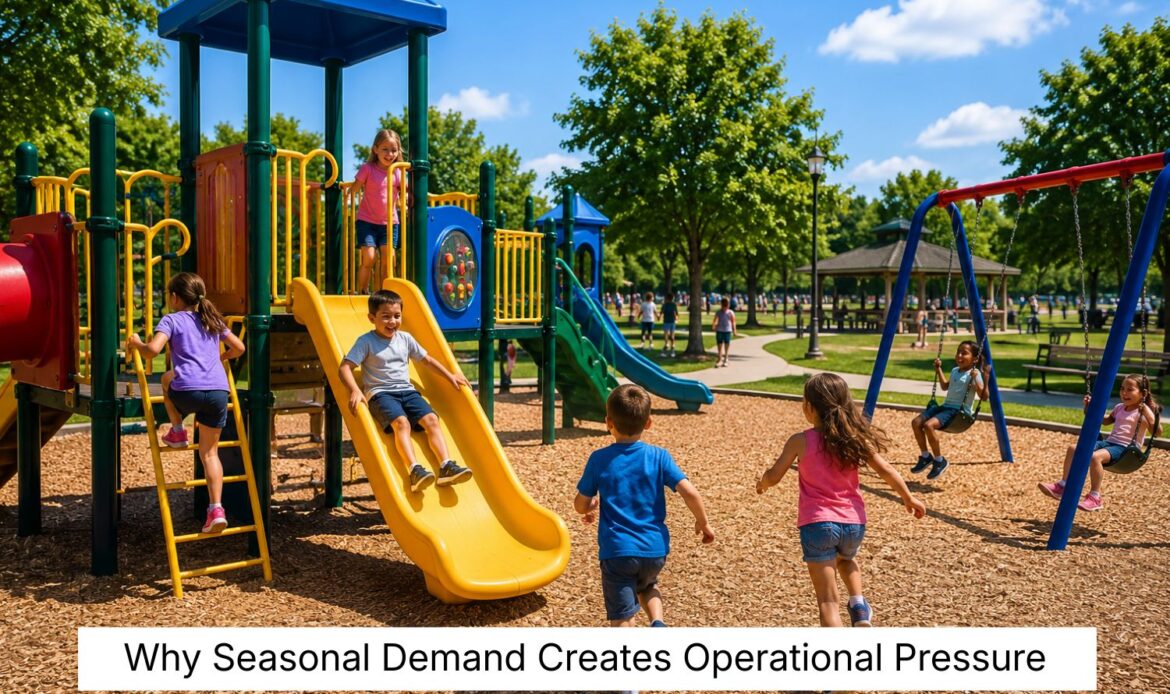
Why Summer Park Readiness Starts Before Summer
Many seasonal maintenance failures occur because preparation begins too late.
Effective summer park readiness often starts weeks before visitor traffic increases.
Preparation typically includes:
- Irrigation system inspections
- Playground safety reviews
- Tree and landscape assessments
- Sports field evaluations
- Pavilion inspections
- Parking lot assessments
- Signage reviews
- Facility maintenance planning
The earlier issues are identified, assigned, and tracked, the easier they are to resolve before public use increases.
Sports Facilities Require Special Attention
Athletic fields often experience the highest seasonal wear.
Tournament schedules, league play, camps, and recreational programs place significant demands on facilities.
Sports field inspections typically focus on:
- Turf quality
- Surface conditions
- Drainage issues
- Bleachers
- Goalposts
- Dugouts
- Lighting systems
- Scoreboards
Using sports field inspection software allows maintenance teams to document issues consistently, capture photos, assign repairs, and maintain inspection history throughout the season.
The goal is not simply documenting problems.
The goal is ensuring every issue remains visible until resolution.
Event Readiness Depends on Workflow Visibility
Every event introduces additional operational complexity.
Before an event, parks teams may need to:
- Inspect facilities
- Verify safety conditions
- Review maintenance status
- Prepare restrooms
- Install temporary infrastructure
- Confirm signage
- Coordinate staffing
- Review emergency access routes
During the event:
- New issues emerge
- Visitor-reported concerns increase
- Maintenance requests accelerate
After the event:
- Cleanup activities begin
- Damage assessments are completed
- Restoration work is scheduled
Without visibility across inspections, maintenance requests, and work orders, small issues can quickly become public-facing problems.
Why Event Cleanup Work Orders Matter
The end of an event is often when maintenance teams face their largest workload.
Typical event cleanup work orders include:
- Waste removal
- Graffiti cleanup
- Landscape restoration
- Playground inspections
- Restroom servicing
- Pavement cleaning
- Sports field repairs
- Facility inspections
The speed of recovery depends largely on how quickly issues are identified, assigned, and tracked.
When work orders remain visible from creation through closure, parks can return facilities to normal operations much faster.
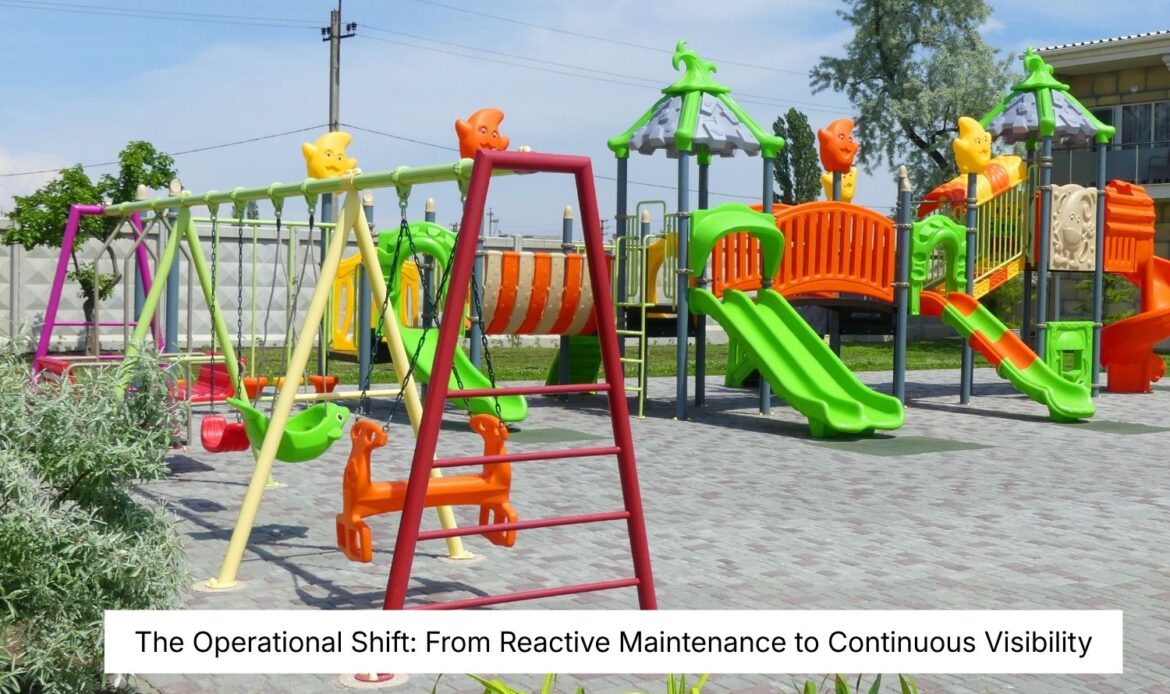
The Operational Shift: From Reactive Maintenance to Continuous Visibility
Many maintenance challenges are not caused by a lack of effort.
They are caused by a lack of operational visibility.
When inspections, maintenance requests, assets, and work orders exist in separate places, teams spend more time coordinating information than resolving issues.
Visibility changes that dynamic.
When supervisors can see:
- Open issues
- Assigned work
- Inspection findings
- Maintenance status
- Facility readiness
decision-making becomes faster and more proactive.
How ParkZapp Supports Seasonal Readiness
At ParkZapp, we work with parks and recreation teams that need better visibility across inspections, maintenance activities, public issue reporting, assets, and work orders.
The objective isn’t simply documenting park conditions.
It’s helping teams maintain visibility from issue identification through issue closure.
That visibility helps departments achieve:
- Faster issue resolution
- Better maintenance coordination
- Clearer ownership of open work
- Stronger event readiness
- More consistent park conditions
Especially during the busiest times of the year.
Seasonal demand doesn’t create maintenance problems.
It reveals operational gaps that already exist.
The parks departments that manage high-traffic periods most effectively aren’t necessarily the ones with the largest teams.
They’re often the ones with the clearest visibility.
By improving inspections, maintenance tracking, work order management, sports field oversight, and event preparation workflows, parks teams can reduce delays, improve public experience, and enter every busy season with greater confidence.
Because when visitor traffic increases, visibility becomes just as important as maintenance itself.
Frequently Asked Questions
1. What is a seasonal park maintenance checklist?
A seasonal park maintenance checklist is a structured process used to inspect facilities, playgrounds, sports fields, grounds, and infrastructure before high-traffic periods and community events.
2. Why is seasonal park readiness important?
Seasonal readiness helps parks departments identify maintenance issues before visitor traffic increases, reducing safety risks, maintenance backlogs, and event disruptions.
3. What creates the biggest maintenance delays during busy seasons?
The biggest delays often occur after issues are identified, when ownership, work order tracking, and maintenance visibility become unclear.
4. Why are sports field inspections important?
Sports fields experience significant wear during tournaments and recreational programs. Regular inspections help identify safety risks and maintenance needs before they affect field usability.
5. What are event cleanup work orders?
Event cleanup work orders are maintenance tasks generated after events to address waste removal, repairs, inspections, landscape restoration, and facility recovery activities.
6. How can digital inspections improve seasonal readiness?
Digital inspections provide faster reporting, better documentation, real-time visibility, and stronger accountability across maintenance teams and facilities.
7. What role does ParkZapp play in seasonal maintenance management?
ParkZapp helps parks departments maintain visibility across inspections, public issue reporting, assets, maintenance activities, and work orders so issues remain visible until they are resolved.
Latest Blogs
-
 Seasonal Park Readiness: Managing High Traffic Periods and Events
 -
 Can Preventive Maintenance Reduce Park Downtime?
 -
 The Visibility Problem Behind Most Park Maintenance Delays
 -
 How Maintenance Tracking Software Actually Improves Response Time in Public Facilities
 -
 How to Turn Daily Metrics into Executive Decisions